
FAMILY IDENTITIES
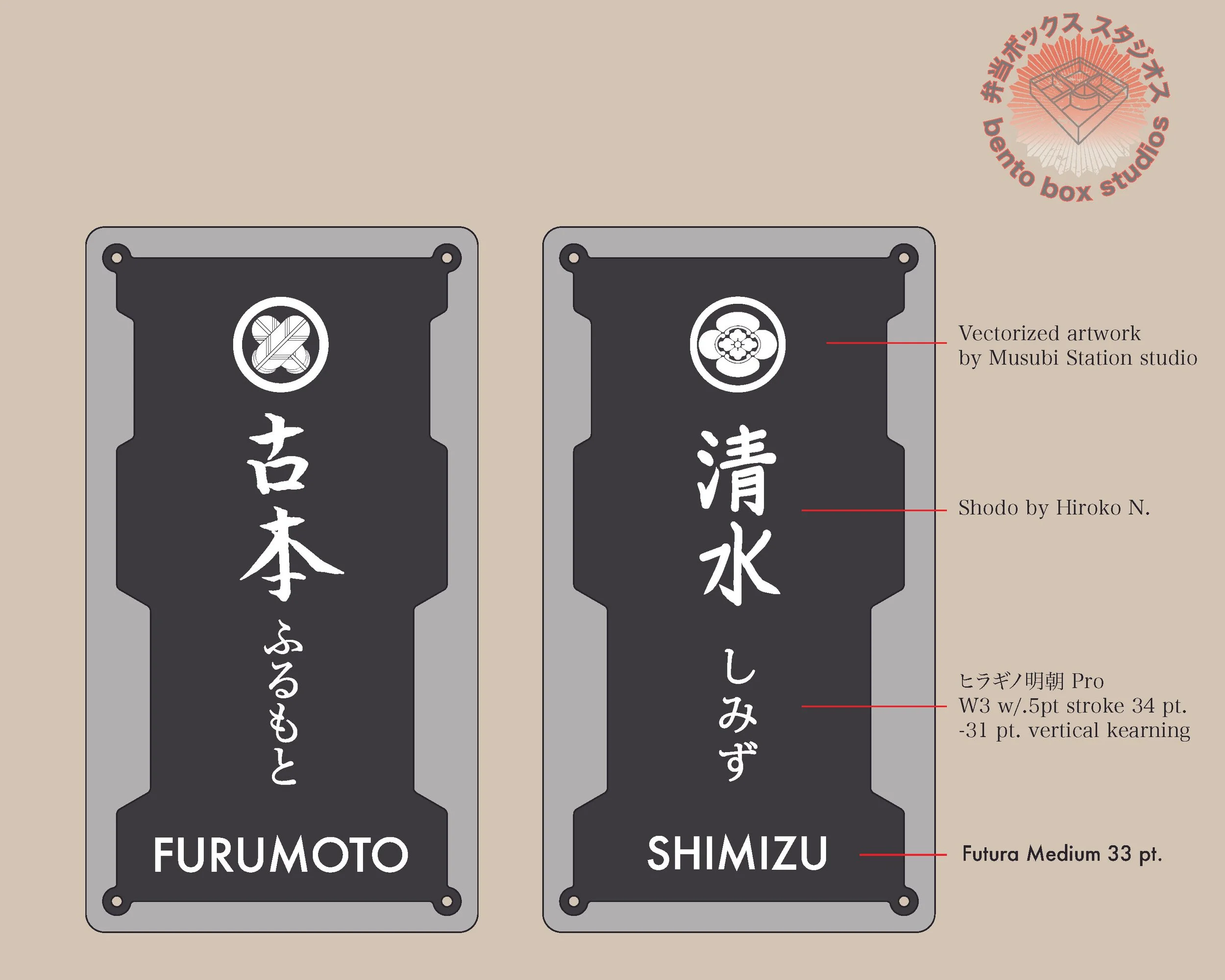
Japanese surnames carry centuries of history, social identity, and family tradition. Unlike many Western naming systems, Japanese family names are deeply tied to geography, nature, and clan heritage. From names inspired by rice fields and mountains to elaborate family crests known as Kamon, these identifiers tell stories that stretch back to feudal Japan.
Historically, surnames in Japan were once reserved primarily for the aristocracy, samurai, and noble clans. Powerful families such as the Fujiwara clan or Tokugawa clan used surnames to signify lineage, political influence, and regional authority. Common villagers often went without official surnames for centuries. It was not until the Meiji Restoration in the late 19th century that all Japanese citizens were required to adopt family names as part of modernization reforms.
Many Japanese surnames reflect the natural environment or the location where a family lived. Names like Tanaka (“middle of the rice field”), Yamamoto (“base of the mountain”), and Kobayashi (“small forest”) reveal how closely connected families were to the land. This connection to place helped distinguish communities and preserve local identity across generations.
Closely connected to surnames are Kamon—traditional Japanese family crests. Similar in concept to European heraldry, Kamon served as visual symbols representing a family’s ancestry, status, and affiliations. Samurai clans displayed their Kamon on armor, banners, and clothing during battle, while noble families used them in formal ceremonies and official documents. Over time, merchants and commoners also adopted Kamon to express family pride and continuity.
A Kamon is typically minimalist and highly symbolic, often featuring elements from nature such as flowers, birds, bamboo, or geometric patterns. One of the most recognizable examples is the Mitsuba Aoi crest associated with the Tokugawa clan. These crests were not merely decorative; they acted as identifiers in an era when literacy was limited and visual recognition was essential.
Today, Japanese surnames and Kamon remain important cultural symbols. Many families still preserve their ancestral crests for weddings, funerals, and traditional ceremonies. In modern Japan, they continue to represent heritage, family honor, and a living connection to the country’s rich historical past.